翡翠鑑賞
翡翠紋、裂、瑕疵全指南
The Complete Guide to Jade Flaws: Veins, Cracks & Inclusions
紋、裂、棉、黑點、蘚、沙眼……翡翠嘅瑕疵令人眼花繚亂?一文帶你認識所有常見瑕疵,附真實手鐲實物相,學會分辨哪些影響大,哪些其實唔使擔心。
買翡翠最令人困惑嘅,就係瑕疵嘅問題。商家話小小條紋嘅時候,你唔知道係唔係大危機?其實翡翠嘅瑕疵分好多種,有些對價值影響極大,有些影響很小,甚至有些係天然特徵。呢篇文用真實手鐲相片,帶你逐一認識 8 種常見瑕疵。
一、紋(Stone Vein)
紋係翡翠天然形成時留下嘅礦物生長紋路,存在於翡翠內部,表面完好。紋唔會影響翡翠嘅結構完整性,屬於天然特徵,對價值影響有限。
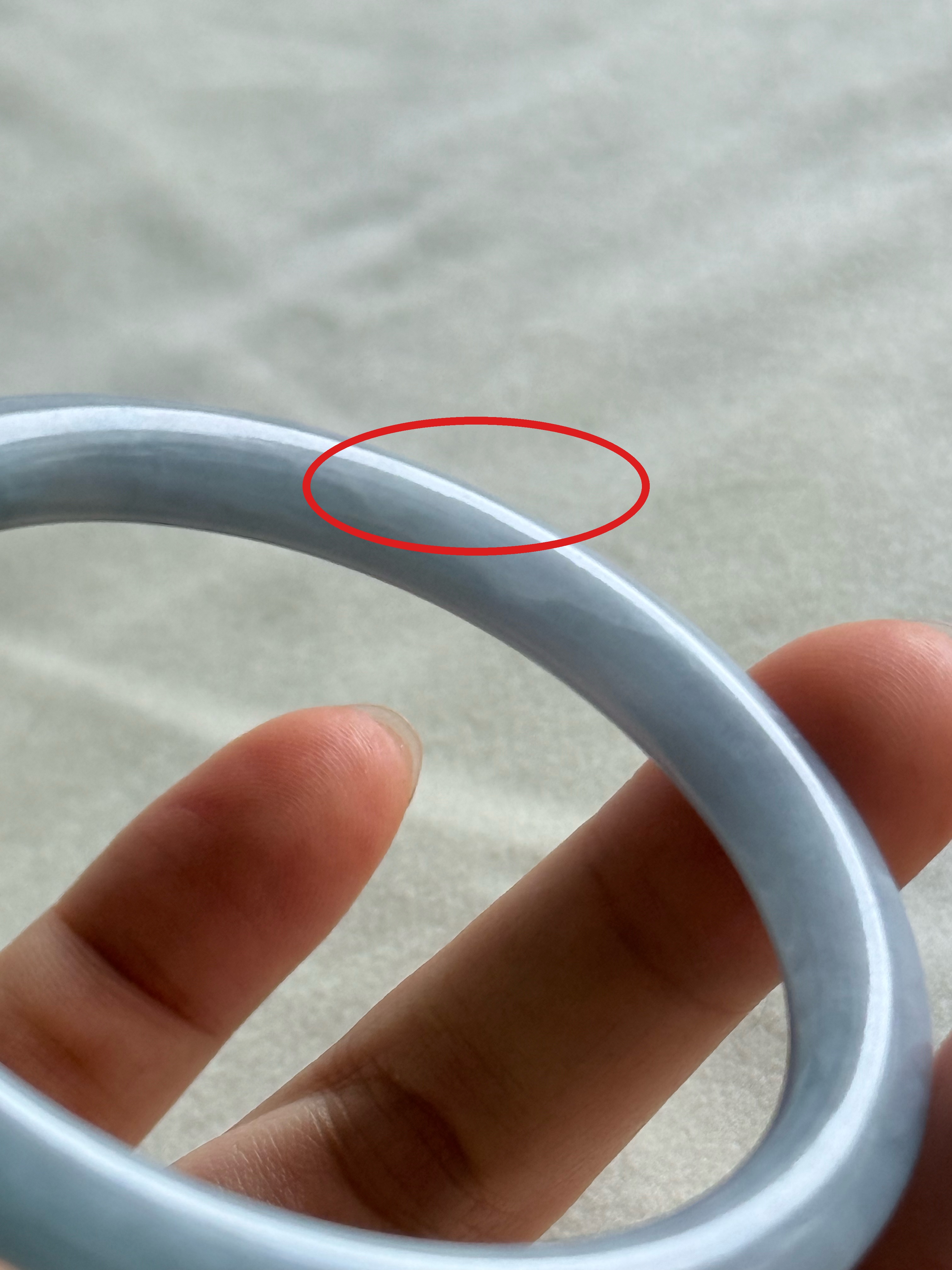
二、石紋(Stone Grain)
石紋係比紋更明顯嘅灰白色礦物生長帶,有時帶灰白色,係翡翠形成時不同礦物晶體嘅交界線。同樣屬天然特徵,唔影響結構,但比紋更容易被肉眼察覺。
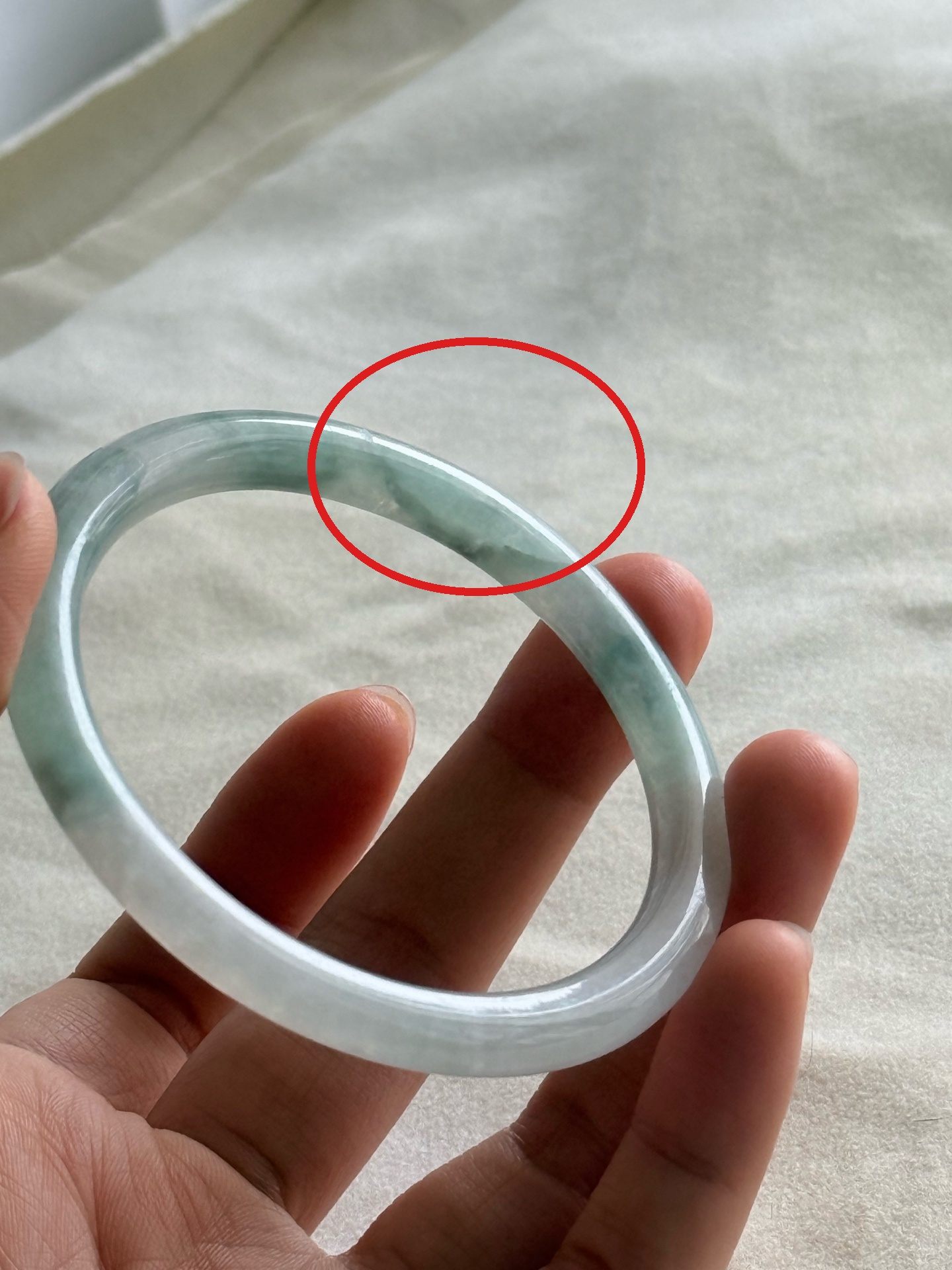
三、礦坑/沙眼(Mineral Pit / Pitting)
礦坑係翡翠形成時包裹咗其他礦物質(如鐵、錳等)入去,形成深色嘅雜質塊。沙眼則係翡翠表面嘅小凹點,通常係打磨時較軟嘅礦物被移除而形成。兩者都影響外觀,但唔影響結構完整性。
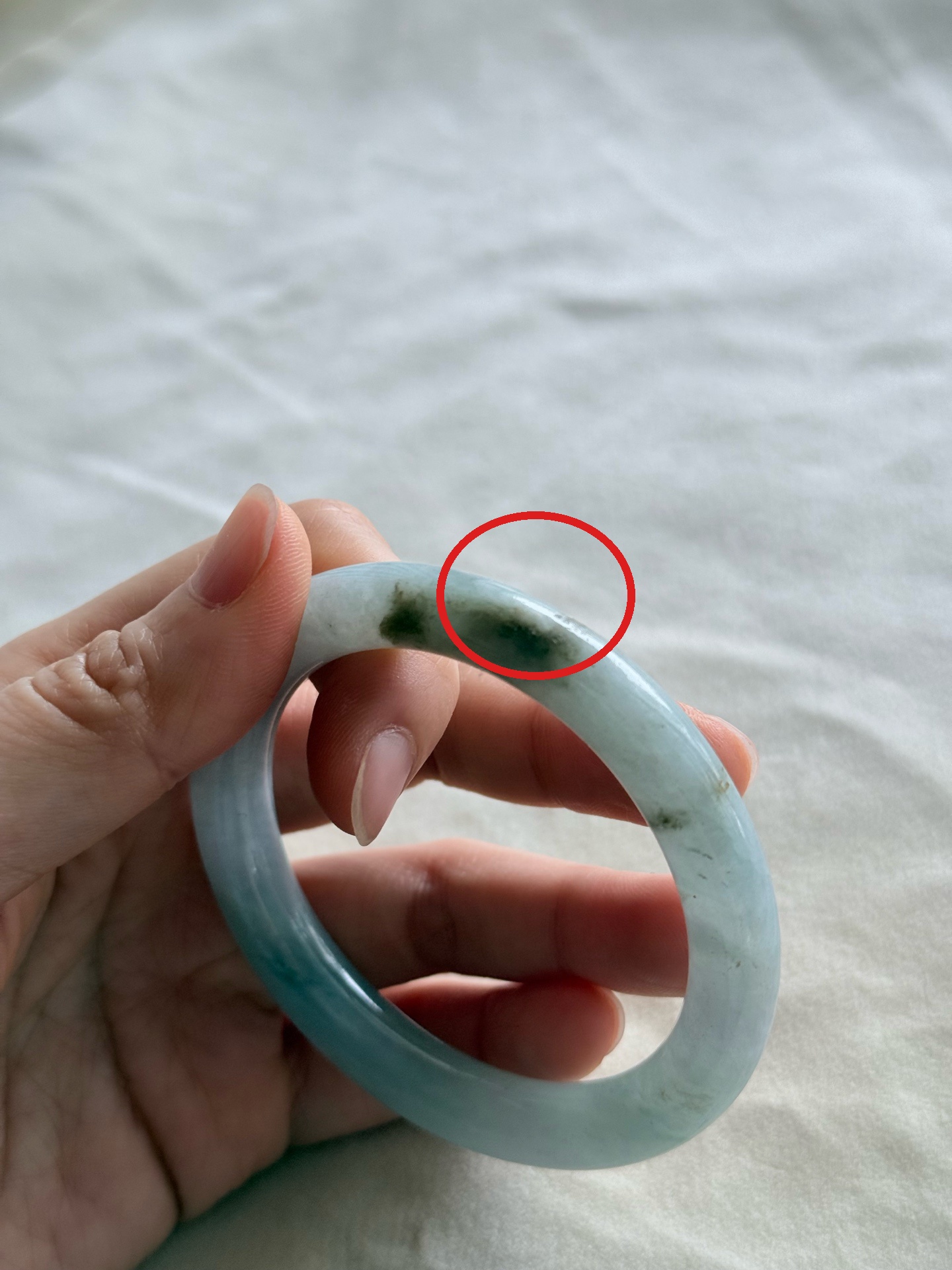
四、蘚(Moss / Chlorite Inclusions)
蘚係翡翠內部散落嘅深墨綠色點狀雜質,主要係由綠泥石(Chlorite)等礦物形成,分佈似苔蘚生長嘅樣子。蘚嘅存在有時會增加翡翠嘅綠色感,對某些翡翠來說反而係一種特色,但如果分佈不均勻或位置當眼,則會影響美觀。
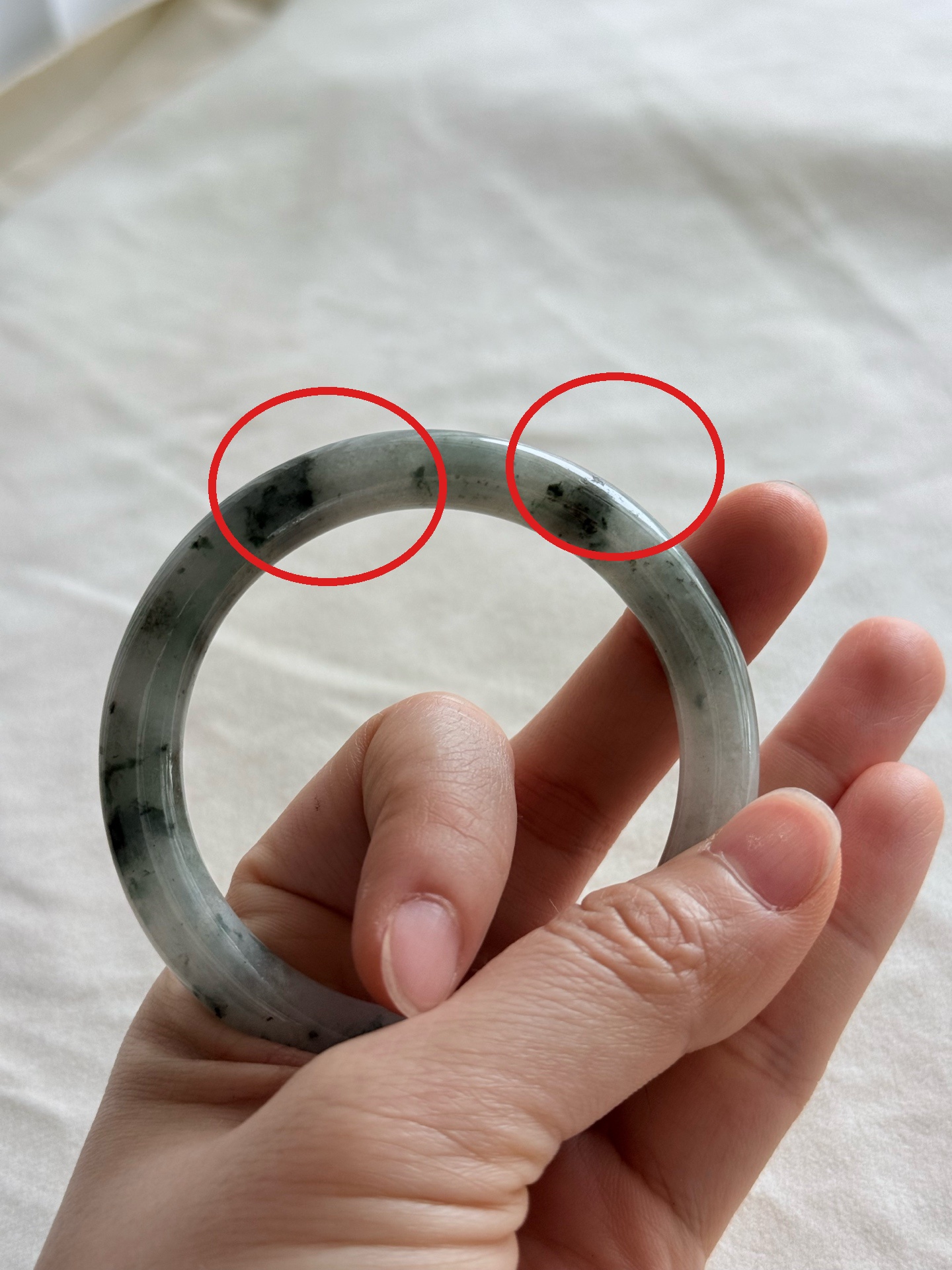
五、棉(Cotton Inclusions)
棉係翡翠內部白色或灰白色嘅霧狀、棉絮狀結晶結構,肉眼看起來就像棉花一樣。棉嘅存在會影響翡翠嘅透明度,棉越多種水越差。少量棉嘅翡翠在市場上很常見,屬於正常結構特徵。
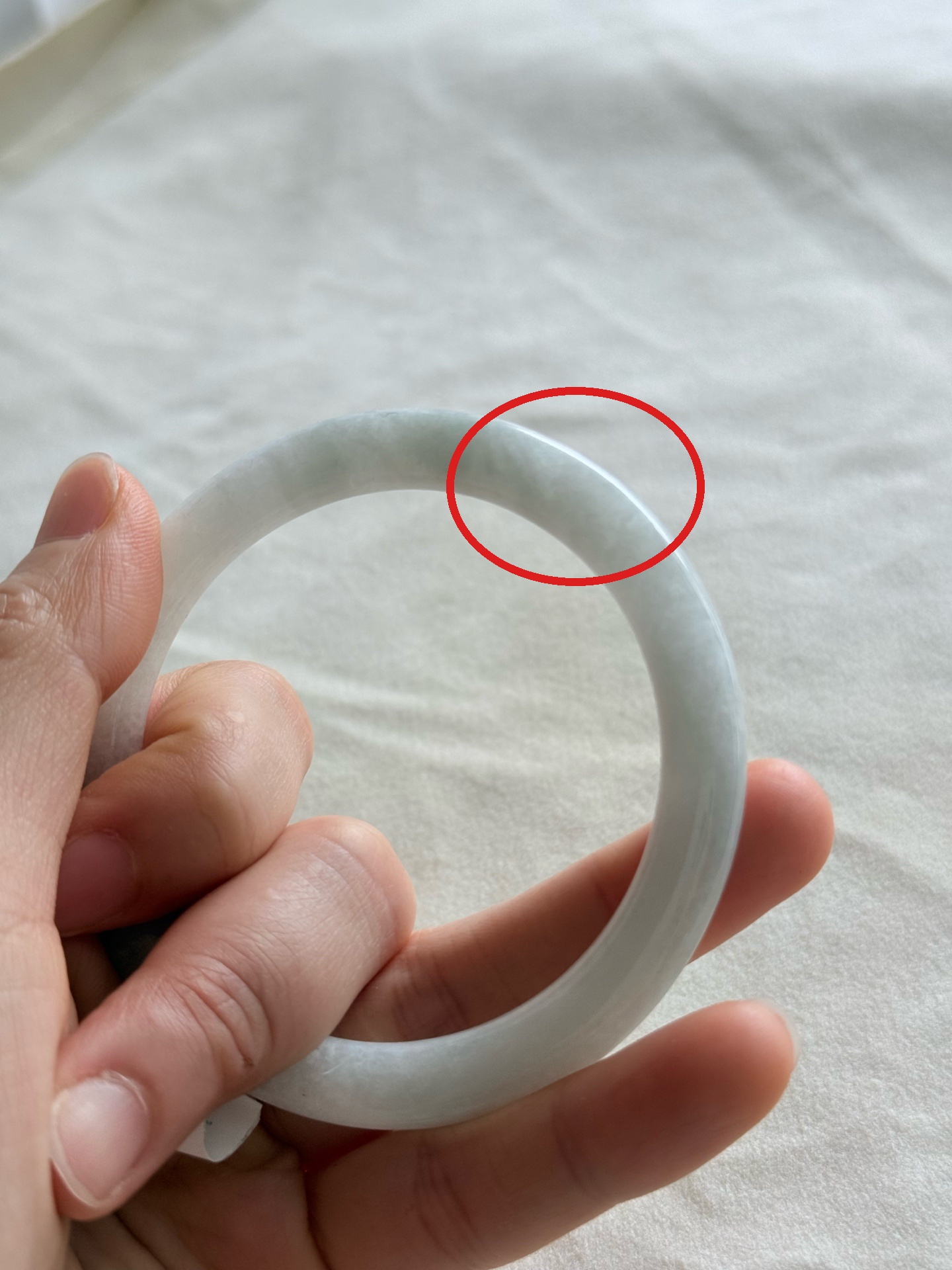
六、黑點(Black Spots)
黑點係翡翠內部嘅細小黑色礦物質點,主要係角閃石或鐵礦等礦物。少量細小黑點對價值影響不大,但如果黑點大、多、位於明顯位置,則會大幅影響翡翠嘅美觀度。
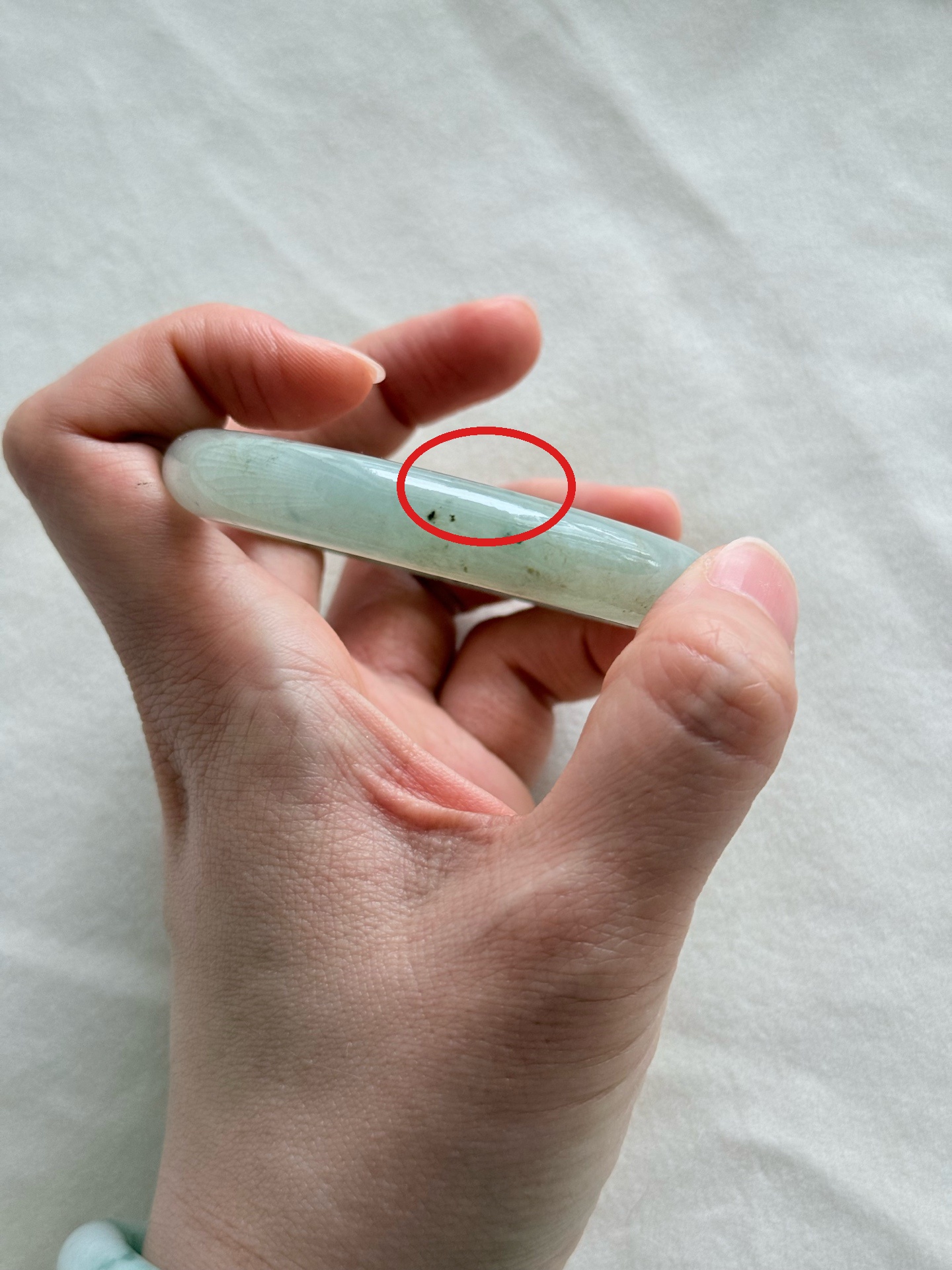
七、裂(Crack)
裂係翡翠結構嘅斷裂,對翡翠嘅完整性有影響。裂分表面裂同內裂,影響程度不同。表面裂只存在於翡翠表面或很淺嘅皮層,對結構影響不大;內裂則存在於翡翠內部,會削弱整體強度。
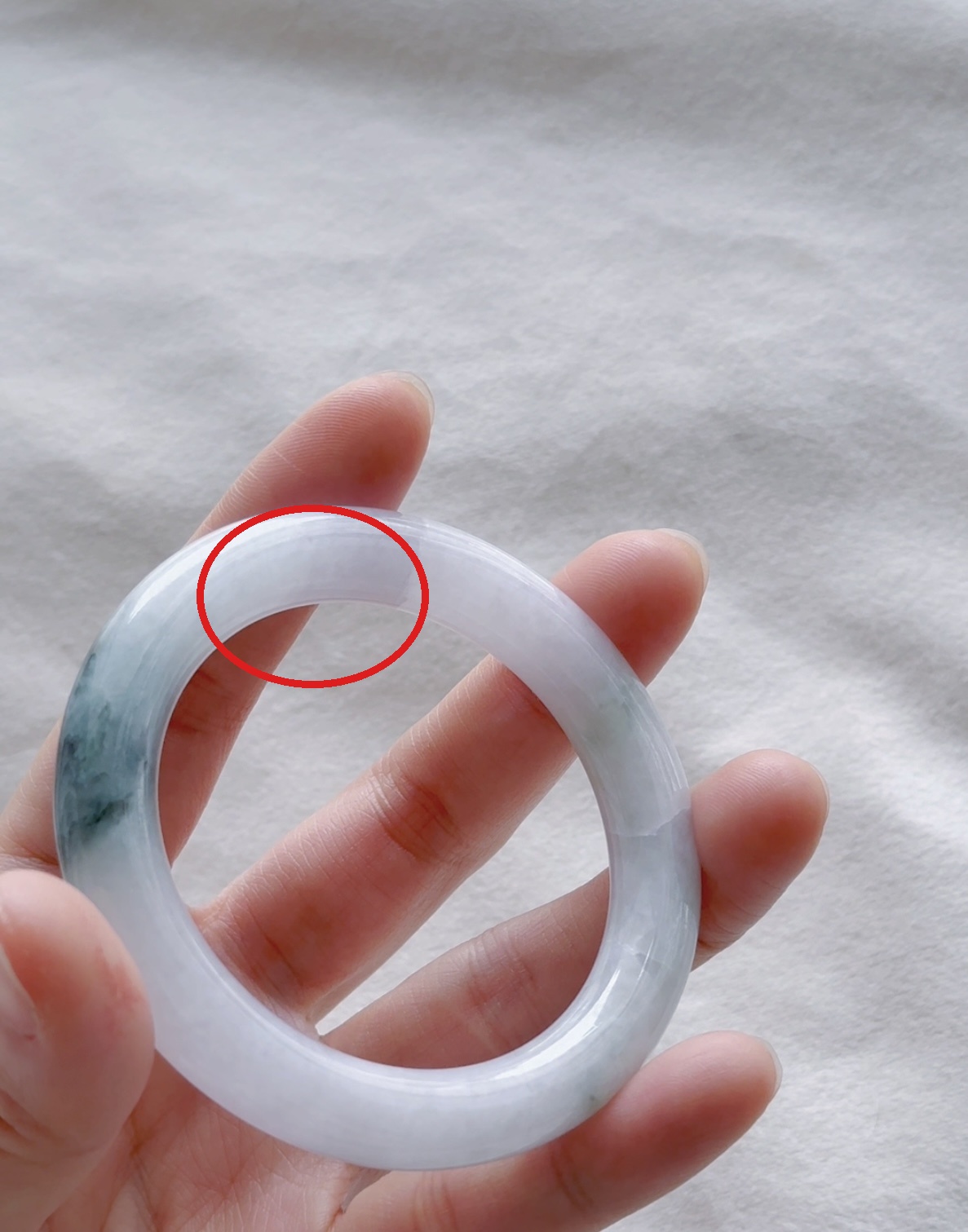
💡 分辨紋同裂:用手電筒照射,紋嘅光線對照時唔會斷開,裂則會有明顯嘅斷層感。如果你唔確定,歡迎 WhatsApp 傳相俾我哋分辨!
瑕疵對價值嘅影響總結
- 🔴 影響最大:大內裂——結構已受損,安全性有問題,大幅影響價值
- 🟡 影響中等:大面積棉、明顯黑點、礦坑、表皮裂——影響美觀,價值有所打折
- 🟢 影響較小:少量棉、細小紋路、石紋、細小沙眼、少量蘚——屬於天然特徵,對價值影響有限
💡 Missing Faye Co. 嘅承諾:我哋在出售每件翡翠前,都會詳細告知客戶所有已知瑕疵嘅位置同程度,唔會隱瞞。如果你對手上嘅翡翠有疑問,歡迎 WhatsApp 傳相俾我哋鑑定!
References
- GIA — Jadeite Jade Quality Factors — GIA 對翡翠透明度、質地及內含物嘅官方分析
- Natural Gemstones — Types of Inclusions in Jade — 翡翠內含物種類詳解:礦物內含物、裂縫、氣泡及生長結構
- GIA — Jade Description — GIA 翡翠礦物學成因及天然結構說明
English Version
The Complete Guide to Jade Flaws: Veins, Cracks & Inclusions
One of the most confusing aspects of buying jadeite is understanding flaws. When a seller mentions 'a small vein', you may not know whether it is a serious issue. In fact, jadeite flaws come in many types — some greatly affect value, some have minimal impact, and some are simply natural characteristics. This article uses real bangle photographs to walk you through 8 common flaw types.
1. Stone Vein (紋)
A stone vein is a natural mineral growth line formed during the jadeite's creation. It exists within the stone's interior while the surface remains intact. Veins do not affect the structural integrity of the jadeite and are considered natural characteristics with limited impact on value.
2. Stone Grain (石紋)
Stone grain is a more prominent grey-white mineral growth band, sometimes appearing as a grey-white stripe. It marks the boundary between different mineral crystals formed during the jadeite's creation. Like veins, stone grain is a natural characteristic that does not affect structure, though it is more visible to the naked eye.
3. Mineral Pit / Pitting (礦坑/沙眼)
Mineral pits form when other minerals (such as iron or manganese) are trapped within the jadeite during formation, creating dark inclusions. Pitting refers to small surface depressions, typically formed when softer minerals are removed during polishing. Both affect appearance but not structural integrity.
4. Chlorite Inclusions / Moss (蘚)
Chlorite inclusions are scattered dark greenish-black spots within the jadeite, primarily formed from chlorite and similar minerals, distributed in a moss-like pattern. In some cases, these inclusions can enhance the green appearance of the stone and may be considered a characteristic feature. However, uneven or prominent distribution will affect aesthetics.
5. Cotton Inclusions (棉)
Cotton inclusions are white or grey-white hazy, cotton-like crystalline structures within the jadeite. They reduce the stone's translucency — the more cotton present, the lower the texture grade. Jadeite with a small amount of cotton is very common in the market and is considered a normal structural characteristic.
6. Black Spots (黑點)
Black spots are small dark mineral points within the jadeite, primarily hornblende or iron ore minerals. A small number of fine black spots has limited impact on value, but large, numerous, or prominently positioned black spots will significantly affect the stone's appearance.
7. Crack (裂)
A crack is a fracture in the jadeite's structure that affects its integrity. Cracks are classified as surface cracks or internal cracks with different levels of impact. Surface cracks exist only on the surface or in a very shallow layer and have limited structural impact; internal cracks exist within the stone and weaken its overall strength.
💡 Distinguishing veins from cracks: Shine a torch through the stone. With a vein, the light passes through continuously without interruption. With a crack, there is a clear break in the light. If you're unsure, WhatsApp us a photo for identification!
Summary: Impact of Flaws on Value
- 🔴 Highest impact: Large internal cracks — structural integrity is compromised, safety concerns, significantly reduces value
- 🟡 Moderate impact: Extensive cotton, prominent black spots, mineral pits, surface cracks — affects aesthetics, value is discounted
- 🟢 Lower impact: Small amounts of cotton, fine veins, stone grain, minor pitting, small amounts of chlorite — natural characteristics with limited impact on value
💡 Missing Faye Co.'s Promise: Before selling any piece of jadeite, we will inform customers in detail of all known flaws — their location and extent. We never conceal defects. If you have questions about your jadeite, WhatsApp us a photo for assessment!
References
- GIA — Jadeite Jade Quality Factors — GIA's official analysis of jadeite translucency, texture, and inclusions
- Natural Gemstones — Types of Inclusions in Jade — Detailed explanation of jade inclusion types: mineral inclusions, fractures, bubbles, and growth structures
- GIA — Jade Description — GIA explanation of jadeite mineralogy and natural structure